Team vs Individual P-1A Petitions for Esports Players
Comprehensive guide for esports players on P-1A visa options.
The Critical Distinction: Temporary Success vs. Sustained International Acclaim
When professionals at the top of their fields consider U.S. immigration options, they often face a pivotal choice: pursue the O-1A temporary visa or aim directly for the EB-1A extraordinary ability green card. While both categories recognize exceptional talent, understanding the distinction reveals why the green card path demands a significantly higher standard of achievement.
The fundamental difference isn't just about permanent versus temporary status—it's about the level of sustained international recognition required. As global talent mobility continues to evolve, understanding these standards becomes crucial for career planning and immigration strategy.
The Language That Makes All the Difference
The EB-1A requirements are codified in INA § 203(b)(1)(A), which requires evidence of "sustained national or international acclaim" and achievements that have been "recognized in the field through extensive documentation." Compare this to the O-1A standard, which requires extraordinary ability but focuses on current projects and temporary achievements.
The key distinction lies in three critical words: "sustained", "national or international", and "extensive." These qualifiers create a higher standard that goes beyond momentary recognition or regional success.
The Kazarian Two-Step Analysis
USCIS applies the Kazarian two-step analysis more rigorously to EB-1A cases. In Step 1, evidence must meet the regulatory criteria with greater scrutiny on quality and scope. In Step 2, the final merits determination requires demonstrating that the totality of evidence establishes sustained acclaim at the highest levels.
- Step 1: Evidence must meet regulatory criteria with scrutiny on quality
- Step 2: Final merits determination showing sustained acclaim
Understanding the P-1A Visa: A Pathway for Esports Professionals
For esports players, the P-1A visa presents a unique opportunity to compete professionally in the United States. This athlete visa is specifically tailored for individuals or teams that have achieved international recognition in their respective sports, including esports.
The P-1A visa is governed by INA § 101(a)(15)(P) and is designed for athletes who are part of an internationally recognized team or who have individually achieved significant accolades. This makes it particularly relevant for the growing field of esports, where both team dynamics and individual talent are crucial.
Eligibility Criteria and Key Requirements
The primary criterion for a P-1A visa is that the athlete or team must have a significant level of achievement in their sport, evidenced by a high degree of skill and recognition. USCIS policy requires documentation of the athlete's or team's international acclaim and a sustained record of achievement.
For esports players, this means providing evidence such as international tournament results, rankings, endorsements, and media coverage. The goal is to demonstrate that the player or team is at the top of their field and recognized internationally.
Team-Based vs. Individual Petitions
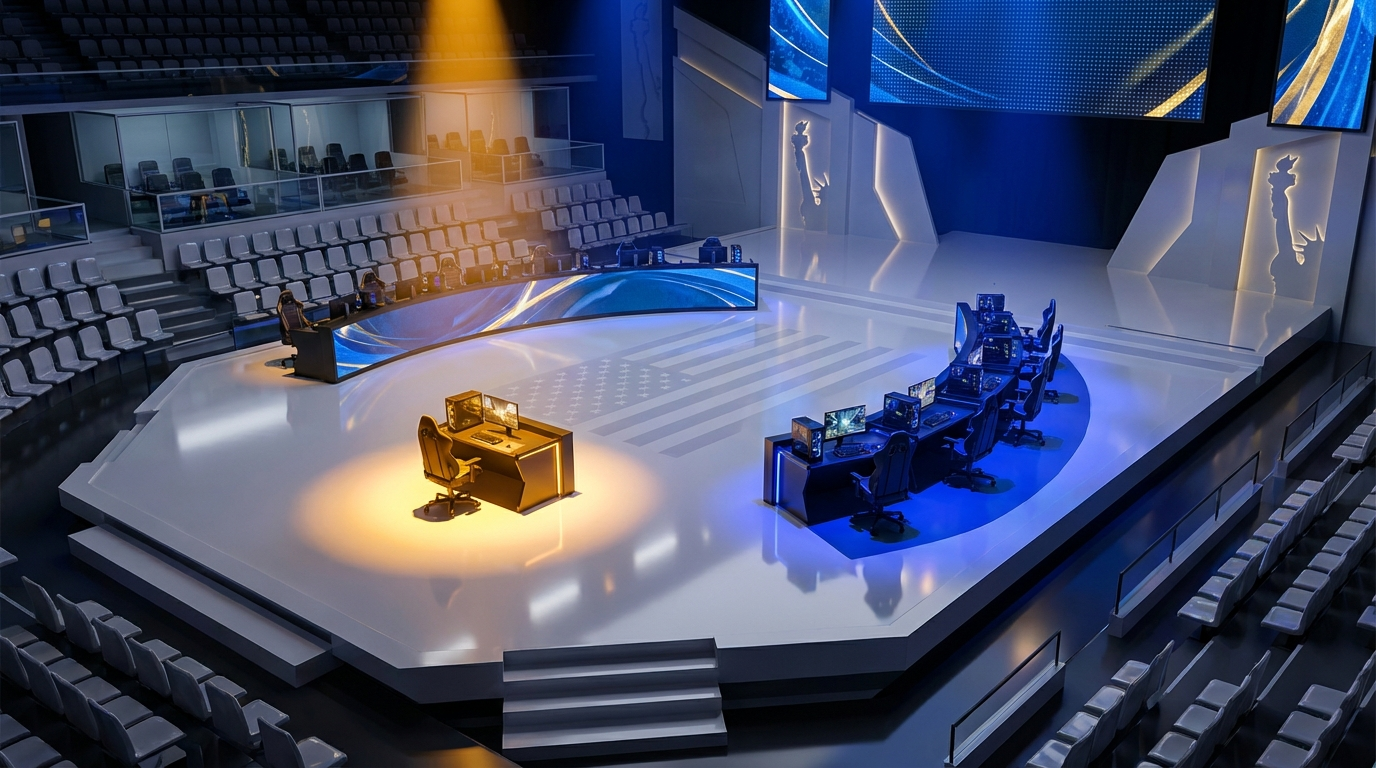
Esports players can apply for a P-1A visa either as part of a team or as individual athletes. Team petitions can be advantageous as they often require collective evidence of the team's success, which can be easier to compile. However, individual petitions allow players to highlight personal achievements and contributions to the sport.
Choosing between a team-based or individual petition depends on the player's unique situation, including their role within the team, personal accolades, and career goals. It's essential to carefully assess these factors to determine the most strategic approach for the visa application.
The Application Process: From Assessment to Approval
The journey from initial assessment to P-1A visa approval involves several critical steps. Understanding these stages can help esports players prepare a compelling case and navigate the complex immigration landscape effectively.
Initial Assessment and Evidence Gathering
The first step in the visa application process is conducting a thorough assessment of the player's or team's qualifications. This involves gathering comprehensive evidence of international recognition, including tournament victories, sponsorships, and media coverage. The goal is to compile a dossier that clearly demonstrates eligibility under the P-1A criteria.
Legal counsel plays a crucial role in this stage, helping applicants understand the requirements and identify the most compelling evidence to support their case. This can include affidavits from industry experts, detailed records of competition results, and documentation of any awards or honors received.
Filing the Petition: Key Considerations
Once the evidence is gathered, the next step is to prepare and file the P-1A petition with USCIS. This involves completing Form I-129, Petition for a Nonimmigrant Worker, and submitting all supporting documentation. It's important to ensure that the petition is meticulously prepared, as any discrepancies or omissions can lead to delays or denials.
Applicants should also be aware of the importance of timing, as processing times can vary. Consulting with an experienced immigration attorney can provide valuable insights into the best timing strategies and help avoid common pitfalls in the application process.
Navigating Challenges: Common Issues and Solutions
While the P-1A visa offers a pathway for esports players to compete in the U.S., the application process is not without challenges. Understanding potential issues and how to address them can significantly improve the chances of a successful outcome.
Addressing USCIS Requests for Evidence (RFEs)
One common challenge applicants may face is a Request for Evidence (RFE) from USCIS. RFEs are issued when the agency requires additional information to make a decision on the petition. They can be addressed by providing detailed responses and additional documentation that clarifies any ambiguities or strengthens the case.
It's crucial to respond to RFEs promptly and thoroughly, as failure to do so can result in the denial of the petition. Working closely with legal counsel to prepare a comprehensive response can help address USCIS's concerns and demonstrate the applicant's eligibility.
Demonstrating International Recognition
Another potential challenge is demonstrating the requisite level of international recognition. This is particularly important for esports players who may primarily compete in regional tournaments. Strategies to overcome this challenge include highlighting any international competitions participated in, showcasing endorsements from well-known brands, and providing evidence of media coverage that reaches a global audience.
Applicants should aim to present a well-rounded portfolio of evidence that illustrates their impact and reputation within the esports community on an international scale.
Conclusion: Strategic Planning for Esports Players
The P-1A visa offers a valuable opportunity for esports players to advance their careers in the United States. By understanding the distinctions between team and individual petitions, navigating the application process effectively, and addressing potential challenges, players can enhance their prospects of successfully obtaining this sports visa.
Strategic planning, thorough preparation, and expert legal guidance are essential components of a successful P-1A visa application. As the esports industry continues to grow, players who achieve international recognition and demonstrate their extraordinary abilities will find the P-1A visa a crucial tool for accessing the global stage.
Topics
Ready to Start Your P-1A Journey?
O1DMatch connects exceptional talent with U.S. employers ready to sponsor visas. Join our platform to build your case.
Join the Waitlist